Hridaya Shrestha, PhD
Molecular and Cell Biologist (Cancer Researcher)

Postdoctoral Associate
Stony Brook University
Stony Brook, New York



Unraveling the Tapestry of Cancer: Exploring Cells, Genes, and Hope.
I am a molecular and cell biologist. I have a broad background in cancer biology with specific training in breast and pancreatic cancer.
I received my Ph.D. in Pharmacy (Molecular Pathology) from Chonnam National University, South Korea in 2017. There I gained technical and professional expertise in molecular and cell biology. During my Ph.D. studies, I studied factors affecting Adherens Junction complexes and assessed the role of the protein δ-catenin in cancer initiation and progression.
I joined Dr. Kay-Uwe Wagner’s lab at School of Medicine Wayne State University in early 2018 as a Postdoctoral Fellow. During my time there [2018-2024], I focused my efforts on elucidating the mechanisms regulating the normal development of the mammary gland and pancreas and identifying genetic pathways that control breast and pancreatic cancer development using genetically engineered mouse models.
After relocating to Connecticut in mid-2024 for a family reunion, I dedicated time to my family while further strengthening my bioinformatics skills through self-directed learning. I am currently a Senior Postdoctoral Associate in the Department of Pathology at Stony Brook University, NY where I work in the laboratory of Dr. Mario Shields. My research focuses on understanding therapeutic resistance and immune dysfunction within the pancreatic ductal adenocarcinoma (PDAC) tumor microenvironment, particularly in a high-risk subset of tumors characterized by low Gα13 expression.
I received my Ph.D. in Pharmacy (Molecular Pathology) from Chonnam National University, South Korea in 2017. There I gained technical and professional expertise in molecular and cell biology. During my Ph.D. studies, I studied factors affecting Adherens Junction complexes and assessed the role of the protein δ-catenin in cancer initiation and progression.
I joined Dr. Kay-Uwe Wagner’s lab at School of Medicine Wayne State University in early 2018 as a Postdoctoral Fellow. During my time there [2018-2024], I focused my efforts on elucidating the mechanisms regulating the normal development of the mammary gland and pancreas and identifying genetic pathways that control breast and pancreatic cancer development using genetically engineered mouse models.
After relocating to Connecticut in mid-2024 for a family reunion, I dedicated time to my family while further strengthening my bioinformatics skills through self-directed learning. I am currently a Senior Postdoctoral Associate in the Department of Pathology at Stony Brook University, NY where I work in the laboratory of Dr. Mario Shields. My research focuses on understanding therapeutic resistance and immune dysfunction within the pancreatic ductal adenocarcinoma (PDAC) tumor microenvironment, particularly in a high-risk subset of tumors characterized by low Gα13 expression.
news
| Apr 01, 2026 | The next chapter of my scientific journey begins at Stony Brook University. I am thrilled to join Dr. Mario Shields' lab to explore therapeutic resistance and uncover targetable vulnerabilities in pancreatic cancer. |
|---|---|
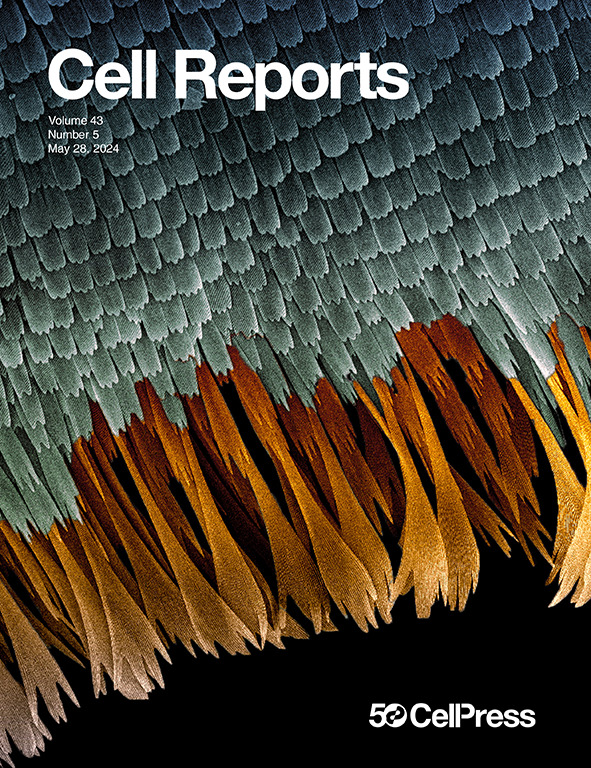
| Sep 06, 2024 | WSU School of Medicine News highlights our publicaiton in Cell Reports on a promising approach for preventing or treating early-stage pancreatic cancer. |
| Jul 01, 2024 | After 6.5 years as a postdoc at Wayne State, I'm heading to Connecticut for a family reunion and a break before starting a new chapter in science. |
| May 10, 2024 | New Paper Alert: Research from the Wagner Lab reveals JAK1's role in KRAS-driven pancreatic cancer and identifies C/EBPd as a key downstream effector. |
latest posts
| May 10, 2024 | Today's Tweet! |
|---|---|
| Jan 30, 2023 | A must-read article by David G. Drubin. |
| Jan 27, 2021 | Watching the sunset at Belle Isle with family |